EL PASO, TX — A flood warning is in effect along the Rio Grande for most of El Paso County, and residents in the affected area are being told to prepare for hazardous water conditions. The alert focuses on the stretch of river that runs through the county’s border communities and nearby low-lying areas.
Warnings like this typically mean flooding is either happening or expected soon enough to pose a real threat. In practical terms, that can affect roads, riverbanks, and places where water can move quickly and unexpectedly, especially near crossings and drainage channels.
Warning centers on the Rio Grande corridor through most of El Paso County
The warning is tied specifically to the Rio Grande corridor, covering most of El Paso County rather than a single neighborhood or isolated neighborhood block. That broad footprint matters because river flooding can spread impacts beyond the immediate banks and into surrounding areas.
People living, working, or traveling near the river should treat the warning as a signal to stay alert and avoid unnecessary risk. Even when flooding is not widespread, water levels and currents can change fast enough to create dangerous conditions for drivers and pedestrians.
River warnings also tend to affect access to recreation areas and outdoor routes near the water. Officials generally issue them when conditions suggest the river may be high enough to create immediate safety concerns, especially in a region where flash flooding can develop quickly.
What a flood warning means for drivers and residents near the river
A flood warning is different from a watch because it is a more urgent notice. It usually means people should take action now rather than simply keep an eye on the weather.
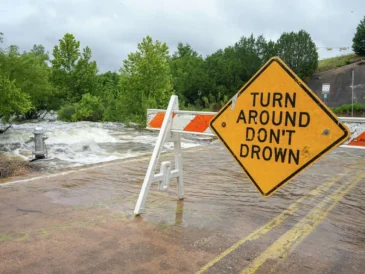
For drivers, that can mean steering clear of flooded roadways, low-water crossings, and any route where standing water may hide deeper hazards. For residents, it means being cautious around riverbanks and not assuming a familiar area is safe just because it was passable earlier.
The warning is especially important in areas where the river runs close to homes, businesses, and commuter roads. Water near the Rio Grande can affect more than the immediate river channel, and local conditions may differ from one spot to the next even within the same county.
Why the alert matters in a border county with river-adjacent communities
El Paso County’s geography makes a Rio Grande flood warning especially relevant because many communities, routes, and public spaces sit close to the river. A warning in this setting can quickly become a transportation and safety issue, not just a weather headline.
In border areas, the river corridor can include places where people cross, recreate, or work close to the water. That means any rise in the river can have ripple effects beyond the immediate floodplain, including for traffic and access near the riverfront.
Even when the warning covers “most” of a county, the exact impact can still vary by location. Some areas may see little change while others deal with rising water, muddy ground, or closed access points near the river.
How local weather alerts shape public safety decisions
Weather alerts like this one are designed to give residents enough time to adjust plans before conditions become more dangerous. In flood situations, that can mean delaying travel, choosing a different route, or avoiding time outdoors near the river.
For families, workers, and commuters, the practical value of a warning is that it points to the places most likely to be affected first. It also helps people understand that the risk is not limited to heavy rain overhead, because runoff and river rise can continue after storms move on.
In many cases, these alerts are the first sign that conditions are changing fast enough to require caution. Staying aware of official updates is especially important where a river can swell without much warning and affect multiple parts of the county at once.
What people in El Paso County should watch next as conditions develop
Residents in the warned area should keep an eye on river levels, roadway conditions, and any additional local safety notices. If water begins to move across roadways or access points, travel plans may need to change quickly.
Anyone near the Rio Grande should be prepared for the possibility that conditions could worsen before they improve. That is especially true for people who live or work in low-lying areas, where flooding can arrive faster than expected and linger after the initial rise.
For now, the key issue is simple: the flood warning means the river is a real safety concern for much of El Paso County. People in the area should stay alert, avoid unnecessary exposure near the water, and be ready for changing conditions along the border corridor.