HONOLULU, HI — Residents across Hawaii are dealing with what one mayor called “storm fatigue” after three hurricanes and one tropical storm hit the islands since mid-August. The repeated weather has brought rounds of rain, wind, and flooding, leaving communities to recover while also bracing for the next system.
The islands are known for their beauty and relative calm, but this stretch has been anything but routine. Damage to the land has added to the strain on people already juggling cleanup, repairs, and disrupted daily life.
Bill Dorman of Hawaii Public Radio discussed the situation with Here & Now’s Robin Young, describing a pattern of back-to-back storms that has worn on residents. The repeated impacts have made recovery feel less like a single event and more like a prolonged season of disruption.
Three hurricanes and a tropical storm have hit since mid-August
The weather pattern became especially difficult because the storms did not arrive as isolated events. Since mid-August, Hawaii has been affected by three hurricanes and one tropical storm, a rapid sequence that has kept emergency response and cleanup efforts in motion.
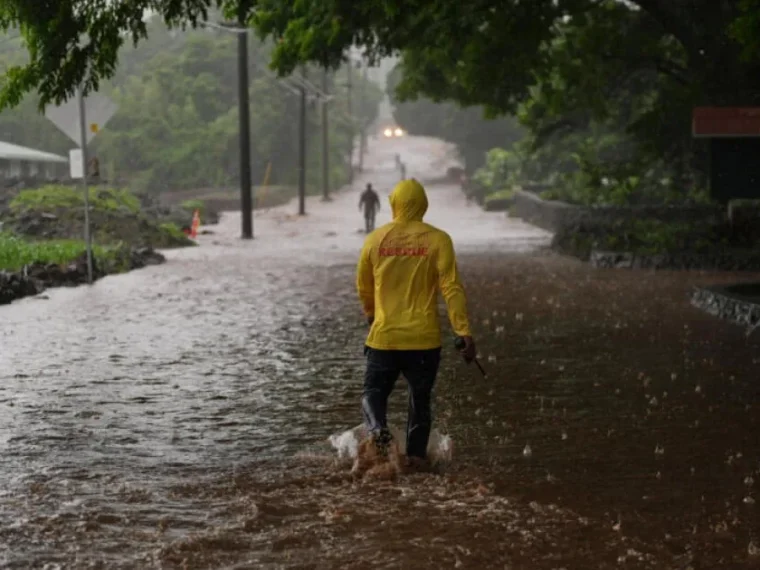
Each system brought its own combination of rain and wind, and the cumulative effect has been significant. Flooding has been part of the damage, adding to the challenges for homes, roads, and other parts of island communities.
That kind of repeated exposure can make it harder for residents to recover fully before the next storm arrives. Instead of one clear cleanup period, people are facing a cycle of preparation, damage, and repair.
Rain, wind, and flooding have damaged the land and disrupted daily life
The storms have not just been a matter of rough weather. Rain, winds, and flooding have caused damage to the land, underscoring how repeated storm impacts can reach beyond immediate inconvenience.
For residents, the effects are layered. Flooding can interrupt travel and daily routines, while wind and heavy rain can damage property and slow the pace of recovery. When these conditions arrive repeatedly, even basic cleanup becomes a longer process.
The repeated weather has also created uncertainty about what comes next. Communities may be able to stabilize after one storm, only to face fresh damage before repairs are complete.
A mayor's phrase captures the emotional toll
The term “storm fatigue” has been used to describe the emotional and practical burden residents are feeling. A mayor used the phrase to capture how exhausting it is to face repeated storms over a short period of time.
That fatigue is not just about weather alerts or bad forecasts. It reflects the strain of dealing with cleanup, concern about safety, and the uncertainty that comes with more storms arriving before recovery is finished.
For people living through it, the challenge is as much psychological as physical. The constant need to prepare and respond can wear down even communities that are used to occasional severe weather.
Recovery is happening while residents remain on alert
Even as residents work through repairs and cleanup, the broader sense of alert remains. Repeated storms can make recovery feel unfinished, especially when the next system may not be far off.
That reality is part of what makes this stretch so difficult for Hawaii. The damage is not tied to a single event, and the recovery timeline is stretched by the fact that storms have come in quick succession.
People are left to balance immediate needs with the possibility of more weather-related disruption. In that environment, normal routines can be hard to restore, and long-term recovery becomes harder to plan.
Why the repeated storms matter for island communities
The sequence of storms highlights how vulnerable island communities can be when severe weather keeps returning. Limited time between events can turn manageable damage into a broader recovery problem.
Rains and flooding can affect roads, land, and property, while strong winds can add to the burden on infrastructure and households. When those impacts repeat over and over, the work of recovery becomes more complicated and more exhausting.
Hawaii’s recent weather has shown how quickly conditions can change and how quickly resilience can be tested. The situation remains a reminder that repeated storms can leave lasting effects long after the skies clear.